
With the founding of the National Park Service in 1916, campers and nature lovers have been able to enjoy the great beauty of the United States in a relatively untouched form for over a hundred years. Even if you don’t consider yourself a camper, many of these parks have easy drive-in or RV hook-ups to make enjoying the great outdoors as easy as a road trip. But whether you are sleeping on a queen mattress and having bacon and eggs for breakfast, or sleeping on the ground and eating re-hydrated meals deep in the backcountry, the national parks have something to offer for every type of camper. And with 424 parks (although only about 60 have ‘national’ in the name) across the country in all 50 states, the District of Columbia and US territories, it’s easier than ever to get out and enjoy nature. To visit all of the 63 parks with the ‘National Park’ designation, you’ll have to hit 31 states and two US territories (the Virgin Islands and American Samoa). The bottom line is, there are a lot of places to visit and campers of any level can join in on the fun.
Fun Fact: The largest national park in the United States is the Wrangell-St. Elias National Park in Alaska. It’s area covers over 13 million acres, nearly as large as the states of Rhode Island, Delaware, Connecticut, Hawaii and New Jersey, combined!
National Parks Lingo
Leave No Trace: A principle which I was also taught in Boy Scouts, leave no trace is exactly as it sounds; leave no trace. That means whatever you bring in, you take out, including garbage and even toilet paper when camping in remote areas.
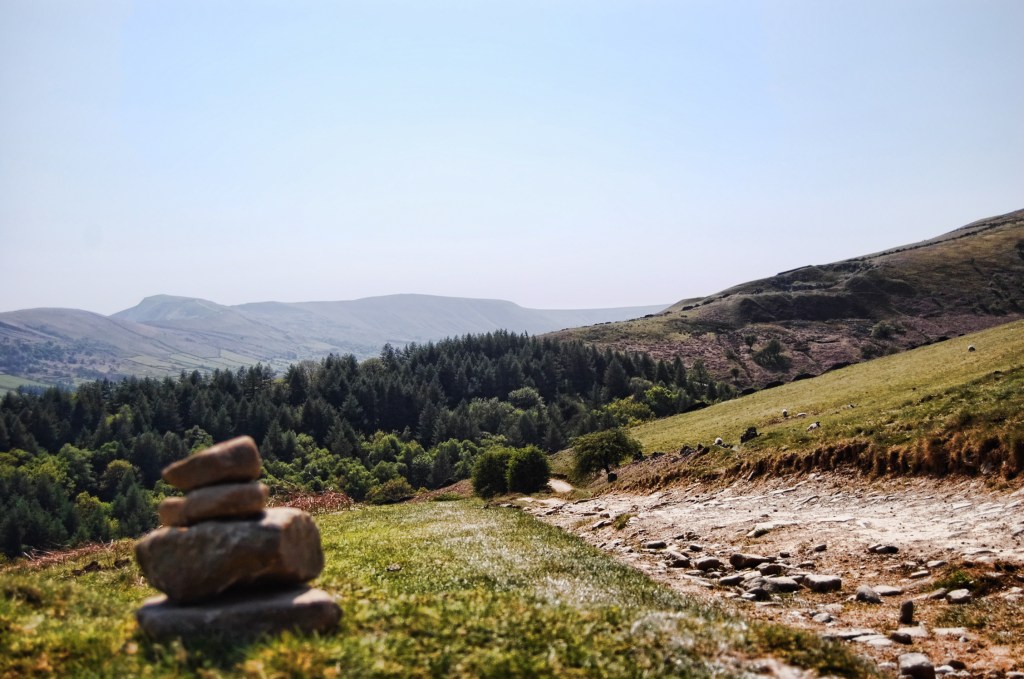
Cairn: Used to mark a trail, particularly in places where there aren’t trees to mark, cairns are basically piles of stones used as markers. They may show where a trail is or where a trail turns.
Cathole: When camping in remotely in the backcountry, a cathole should be dug to dispose of human waste. Catholes should be around six inches deep and made at least 100 feet away from any trails and water sources.
CG: Campground; you probably know what this is, but it’s a place used for camping. Sometimes just a cleared out area, often with a fire pit, but may have other amenities.
FHU: Full Hook-Up; this might be the camping site you are looking for if you don’t particularly like roughing it. A full hook-up campsite will be made to suite RV-ers with hook ups to electricity, water and sewage during the stay at the campground.
Bear Box: A bear resistant container provided at a campsite to store food and other items safely at night.
Bear Bag: This is used while in more remote campgrounds that do not have a provided bear box. Basically, it’s a bag and a long rope, or sometimes just a rope, used to hang your food and scented items from a tree brand high above the ground.
Backcountry Camping: May also be called boondocking, dry camping or wild camping, backcountry camping refers to camping in remote areas of the park, sometimes requiring permits. This type of camping is without running water or electricity like at the hook-up campgrounds, and instead relies on hauling all your gear in and more self-sufficiency.
Camp Host: This would be the person at the campground who assists campers, providers information, and ensures rules are followed. They may be a volunteer or park staff.
Dusk Patrol: If someone is on dusk patrol, it’s their responsibility to make sure the fire is extinguished at night.
Boil Water Advisory: An indication that water from natural sources like streams or lakes should be boiled before being used for cooking or drinking due to contaminants.
Hiker Midnight: Refers to an early bedtime for hikers and campers. Since hikers and campers typically are moving around all day, around sunset everyone is tired and ready for bed.
Trailhead: The starting point of a trail.
Trail Magic: Unexpected acts of kindness by other hikers or campers encountered while out on the trail.
BLM: Bureau of Land Management; the agency responsible for managing public lands.
Questions to Ask An Avid National Parks Camper
Are there any lesser known parks that you would recommend for a unique trip?
As we discussed above, there are over sixty parks with the national park title. This means there is A LOT to do, and most people don’t know about some or even most of them. Finding the hidden gems can often be more cost effective and easier traveled due to less traffic.
Do you like to move around when you camp or set up and relax at one campsite?
Some campers, especially when backcountry camping, like to pick up and move camp sites each day. This allows them to see more of the park in one trip.
Have you done or plan to do any backcountry camping?
As mentioned above, backcountry camping is camping in the more wild parts of the park. Typically you have to pack and hike, canoe, kayak or get your gear in manually. This requires more planning and is generally more difficult, but can be very rewarding for those who are dedicated.
What have been your favorite parks so far?
A pretty basic question but hopefully can give you an idea of where they have gone and what they enjoyed about those they have been to!
Do you have an interesting or funny stories while camping?
While out in the wilderness, potentially dehydrated, exhausted or generally running into wildlife all can be a recipe for a great story. For example, while doing some backcountry camping myself, I dropped the pot of cooked noodles. I felt so bad, but everyone else just thought it was funny and won’t let me forget it to this day.
Historical Evolution
Although we mentioned above the National Parks Service was established in 1916, the oldest park is Yellowstone National Park which was established in 1872. The efforts of conservationists like John Muir and Theodore Roosevelt played a crucial role in the establishment and protection of these landscapes. The system has grown to include over 400 sites, which now spreads over 85 million acres or roughly the size of Germany. This area serves as a safeguard to ecosystems and rare species, but it also provides entertainment and inspiration to visitors year-round. The National Parks system embodies a legacy of stewardship, inviting generations to connect with the great outdoors and fostering a sense of responsibility for the planet’s future.
Ecological Diversity and Conservation
Within the boundaries of the US National Parks, a remarkable tapestry of ecosystems unfolds, spanning from arid deserts to towering mountain ranges. Each park boasts a distinct assemblage of flora and fauna, contributing to global biodiversity. Iconic parks such as Yosemite, Grand Canyon, and Everglades exemplify the unparalleled beauty and ecological significance encapsulated within these sites. The parks serve as critical refuges for endangered species and provide a canvas for scientific research on subjects ranging from climate change to habitat restoration. They offer a platform to explore the intricate connections between humans and the environment, inspiring a deeper appreciation for the delicate balance of nature. These living laboratories not only fuel our understanding of natural processes but also advocate for sustainable practices and underscore the urgent need for worldwide conservation efforts.
Future Sustainability
While the US National Parks system has achieved considerable success in preserving America’s natural treasures, it grapples with a complex array of challenges. The increasing popularity of these sites has led to issues of overcrowding, placing strain on fragile ecosystems and infrastructure. Maintenance backlogs, funding shortages, and deferred repairs threaten the long-term health of these parks, jeopardizing the visitor experience. Climate change presents an existential threat, altering habitats, intensifying wildfires, and prompting the need for adaptive strategies. To address these challenges, park managers are implementing innovative solutions, such as improved visitor management plans, public-private partnerships, and community engagement initiatives. Legislation aimed at increasing funding and support for the parks is vital for their continued success. Ensuring the sustainability of the US National Parks system demands a collective commitment to balance preservation and access, securing these natural legacies for generations yet to come.
Getting Started
If you want to get started, check out http://www.nps.gov. This is the official site for the National Parks Service. It can tell you about what parks and sites there are, where they are, what to bring or watch out for, and more. If you are a new camper, it’s best to stick to established campsites for your first couple of times. For more seasoned campers, there are plenty of resources out there to find which parks have the best backcountry camping. Either way, you will need things like permits so make sure to check out the NPS website for more!
Gift Ideas for a National Park Enjoyer
- A permit.
- If you know where they are going, or want to go, this can be a nice gift to ease their financial burden in taking a trip.
- A journal.
- A nice journal that includes all the national parks, and what they saw, what they liked, etc.
- Camping gear.
- Camping gear is always great when, well, you’re going camping. I’ll leave it up to you as to what they need, but you can go as simple as a nice flashlight to something more expensive, like a tent.
Final Thoughts
The National Parks system is so much larger than I imagined. While I knew there were a lot of national parks, I was surprised to find over 60 with the title and over 400 official sites. The sheer magnitude is truly impressive. There is plenty to visit and lots to go see. Being a backcountry camper myself, I hope to camp in the nation’s parks someday. Thanks for reading, see you next time.

 Interest Insider
Leave a comment