
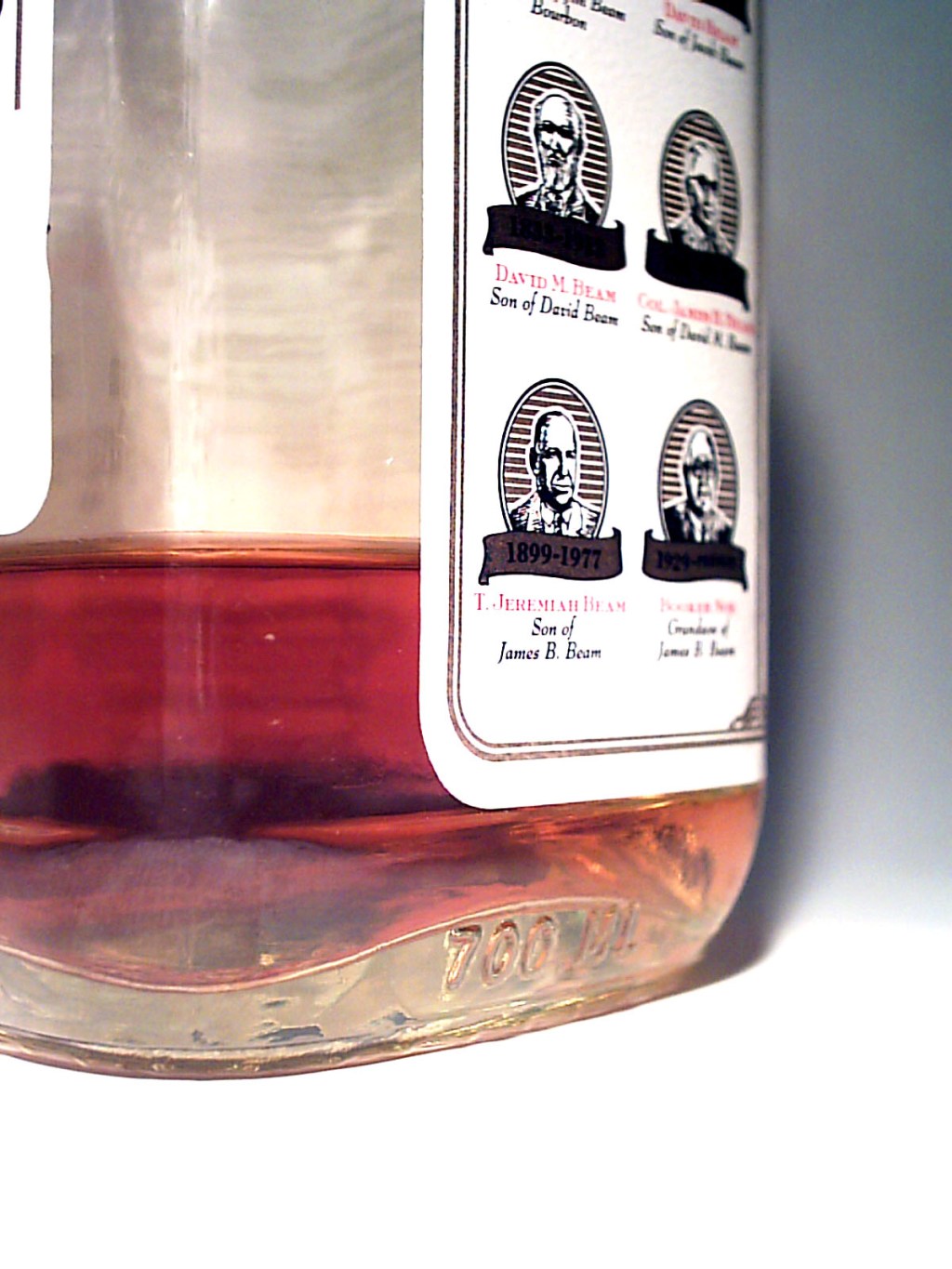
Ah, Bourbon. Not much is quite as American as that sweet nectar from the southern United States. Brought to us by our Scottish friends in the 1700s, whiskey is one of the most popular spirits in America today. But be careful when talking to a bourbon insider. All bourbon is whiskey, but not all whiskey is bourbon. Bourbon is uniquely American and separate from other types of whiskey, such as scotch or Canadian whiskey. You don’t want to accidentally call a bottle of Crown Royal bourbon. While it’s good stuff, it’s still not bourbon. And contrary to popular belief, bourbon does not have to be made in Kentucky. While many distilleries are still located there, in order to be classified as bourbon it needs to be distilled in America. And that’s the law. Even in Canada and the European Union, they require all spirits labeled as ‘bourbon’ be distilled in the United States and her territories.
To say the least, we are proud of our bourbon. From bourbon and whiskey societies who look for the most premium bourbons to your parents or grandparents who likes to have their bourbon old fashioned on Friday night, bourbon brings us together. And whether you are enjoying it neat or in a cocktail, enjoying bourbon can be rewarding and satisfying. Drinking bourbon is like drinking a fine wine. Slow down, enjoy the tastes, the smells, the experience. We might get a little drunk along the way, but don’t forget to drink responsibly.
But what glass should you drink bourbon out of, and are there additional qualifications for bourbon? Well, I’ll talk about that more below. But for now, here are some questions to make you look like a bourbon insider, and get the other person talking:
What Questions Can I Ask to Get Them Talking?
What’s your favorite bourbon?
This is a pretty obvious and safe starter question. Here you’re asking about brands typically, although many brands will have many different variations or editions, AKA different types of the same whiskey brand. For example you might have a Jim Beam, or a Jim Beam Black Double Oak. That leads to the next question:
Which edition do you prefer?
This is a good follow up question and will allow them to talk about their favorite edition of that whiskey. The different production techniques, maturation processes or blending methods can produce a much different tasting bourbon than the standard variation. Of course you can go deeper here: What do you like about that one in particular?
What type (or style) of whiskey do you like?
This is sort of similar to the previous question, but it’s a much broader question. Here we are asking what kind of mash bill they prefer their bourbon to be made out of. As we learned above, all bourbon is at least 51% corn. However, what makes up the rest of that mash bill (for example; rye, wheat, malted barely) will change the bourbon drastically. I’ll talk more about this below. Follow up question: Why do you like (enter bourbon style) over the others?
Have you ever been, or plan to go to bourbon country?
For dedicated bourbon lovers, Kentucky is the holy land. Bourbon country broadly refers to the region where bourbon is produced, but is mostly central eastern Kentucky.
Have you done the Kentucky Bourbon Trail?
This is another great question for a bourbon lover. The Bourbon Trail is a long tour of distilleries of famous brands such as Maker’s Mark, Woodford Reserve, Four Roses and Jim Beam. Those who are really into bourbon will likely have this on their bucket list.
How do you like to drink your bourbon?
Another standard question, but will tell you a lot about how they enjoy their bourbon. Do they drink it neat and really like to taste the subtle undertones? Or have it on the rocks in order to get some of the flavors room to breathe? Or perhaps just throw it in their favorite cocktail because it has the best taste for the base of their drink.
Bourbon Insider Lingo
Decanter: A stoppered glass bottle, into which bourbon is poured for better aeration of the alcohol, and for a nice presentation.
Distillation: This is the process of evaporating the bourbon to then recollect the condensate to create more purified alcohol. It’s one of the key steps of making alcohol, which is why places that create it are called distilleries.
Mash Bill: As I mentioned above, this is the mixture of grains the bourbon is made of. Different mixtures of wheat, malted barley, rye and of course, corn, will alter the taste of the bourbon.
Bottled in Bond: This is a term you might find on a label and means that bourbon has been aged and bottled according to the United States government, originally laid out in the Bottled-in-Bond Act of 1897. It’s not guarantee of quality, but it is a guarantee of purity.
Small Batch: A batch of bourbon that is created by mixing a ‘small batch’ of barrels to create a better or unique flavor. There is no legal standards for what is considered a small batch, but they are typically of better quality due to the attention to detail in creating them.
Single Barrel: Just as it sounds, this is when the bourbon comes from one barrel and is not mixed with others for consistency in color or taste. When bottled, they will typically have the barrel number and dates of aging on the bottle.
Glencairn: The ultimate whiskey-tasting glass. It’s bulbous shaped bottom helps trap in aromas. The flared rim helps get rid of unwanted alcohol vapors and allows for an easy sipping experience. It’s relatively high walls also allow for easy swirling to check viscosity.
Neat (or Straight): Drinking bourbon without any add-ins; no ice, no soda, no nothin’.
Nose: The aroma or scent of the bourbon.
Finish: The lingering taste or sensations after swallowing bourbon.
Proof/ABV: Proof is double the ABV (alcohol by volume). For example, 100 proof would be 50% alcohol by volume.
Reserve: While there is no legal standard, reserve are typically the pricier editions of bourbon a brand produces. They might hold back or ‘reserve’ their best barrels to create a higher quality bourbon.
Additional Qualifications and Creation Process
In addition to the requirement of distillation on US soil, there are some other qualifications that must be met. For one, the mash bill (what the bourbon is made from) must be at least 51% corn. Anything less, and it’s not bourbon. Once it’s made, it must be distilled to no more than 160 proof, and not put into casks for aging at more than 125 proof. That’s 80% and 62.5% alcohol, respectively. It’s then aged in barrels made of oak, which are charred to caramelize the sugars in the wood so the distillate can soak up all that flavor. There are not guidelines on how long to age bourbon, so it can be aged as little as three months before being bottled. By the time it’s bottled, it’s brought down to somewhere around 80 proof or higher. At that point, it’s ready to be poured into your glass.
Bourbon Types (or Styles)
As we just talked about, bourbon must be at least 51% corn. However, what the rest of the 49% is made of can alter the taste of the bourbon quite a bit. Or, the process might be slightly different. Here are some common types of bourbon that you might hear about:
Straight Bourbon: This bourbon is aged for a minimum of two years in new charred oak barrels. In addition, it also cannot contain additives or flavors.
High-Rye Bourbon: High-rye bourbons are just that, high in rye. Typically, their mash consists of 20-35% rye. This gives it a more spice and robustness.
Wheated Bourbon: Wheated bourbons are higher in wheat compared to the other ingredients in the mash. They will be smoother and often sweeter.
100% Corn Bourbon: It’s in the name; this bourbon’s mash is 100% corn. And, you’ll taste it. This bourbon will have a subtle nuances of corn and is typically sweet and smooth.
How To Taste It
Well obviously you’ll use your tongue. But aside from the basics, here is what you’ll want to do. Start with the right glass. A glencairn is the best option, otherwise a rocks glass or any glass you have will suffice. Study the look and color of the bourbon. Swirl it in the glass. It will leave a line where the bourbon swirled up to, and the legs will reach back down into the glass. Next, smell the bourbon. Take in the aromas, try to notice hints of spice, oak, vanilla, caramel, or fruit. Now take a sip. Let it coat your entire tongue. Hold it in your mouth and let the flavors develop. Again, look for those subtle hints in the aromas. Finally, after you swallow take a note of the finish. Did you notice lingering flavors or sensations? Great! You’ve officially tasted the bourbon. Now remember, drink responsibly and enjoy the rest of it.
Top 3 Bourbons For Newcomers
- Bulleit Bourbon
- This one makes the top of the list because, well, it’s my personal go-to. It’s mid shelf bourbon, typically somewhere around $40/bottle and is quite popular. The mash is rye-heavy, about 28%, which means it has a deeper and more spiced flavor.
- Makers Mark
- Makers Mark is one of the classic brands you might think of when you hear the word ‘bourbon’ and is iconic for it’s hand-dipped bottles capped in red wax. This wheated bourbon is pretty balanced between barley and wheat, but of course more on the wheat side meaning it’s a bit softer or mild, with sweet undertones.
- Buffalo Trace
- Buffalo Trace is the oldest continuously operating distillery in America. This straight bourbon is sweet and mellow. You might taste undertones of brown sugar, toffee, or vanilla. This is a good one for sipping or for adding into a cocktail.
Top 3 Gifts for Bourbon Insiders
- Customized Decanter
- You can find these online on many different sites and it makes a great gift for a bourbon lover. They can decant their favorite bourbon into one of these bad boys to help aerate and present the bourbon that has their name, initials or a picture on it!
- Distillery Tours or Tasting
- This is on the pricier end depending on where you live, but experiences are always a fantastic gift. Take a tour or tasting of a local distillery, or head to Bourbon Country to do the Bourbon Trail and I guarantee they will never forget it.
- Cocktail Aging Kit
- For those that prefer cocktails, or want to try something new, this is a great gift. This kit will allow you to age a cocktail of your choice to add and experiment with different flavor profile and depth to your drinks. A fun way to add some additional excitement to an already established hobby.
How to Enjoy Bourbon Without The Burn
How to Enjoy Bourbon, Without the Burn
Not everyone has a palate that’s ready for a sip of bourbon neat or even on the rocks. That’s where a cocktail will come in handy. There’s lots out there that use bourbon or whiskey, but here’s one I recommend:
Kentucky Mule:
2oz of bourbon (the type will depend on your specific tastes, but any will do)
1/2oz of lime juice
Ginger beer
Garnish with a mint sprig
This drink is refreshing and delicious. Best served in a copper mule mug.
Final Thoughts
Bourbon’s long history here in the United States is as rich and interesting as the drink itself is. It’s easy to see why bourbon insiders have such a passion for this amber drink. I hope that now you have a good understanding of the bourbon insider’s world. Perhaps I encouraged you to give a bourbon a try yourself. In any case, thanks for reading and let me know how your conversation went with your bourbon insider and if I was able to help you navigate their world. Thanks and talk again soon.


 Interest Insider
Leave a comment